Middle East Conflict Escalates to Dubai: Casualties and Chaos in the UAE
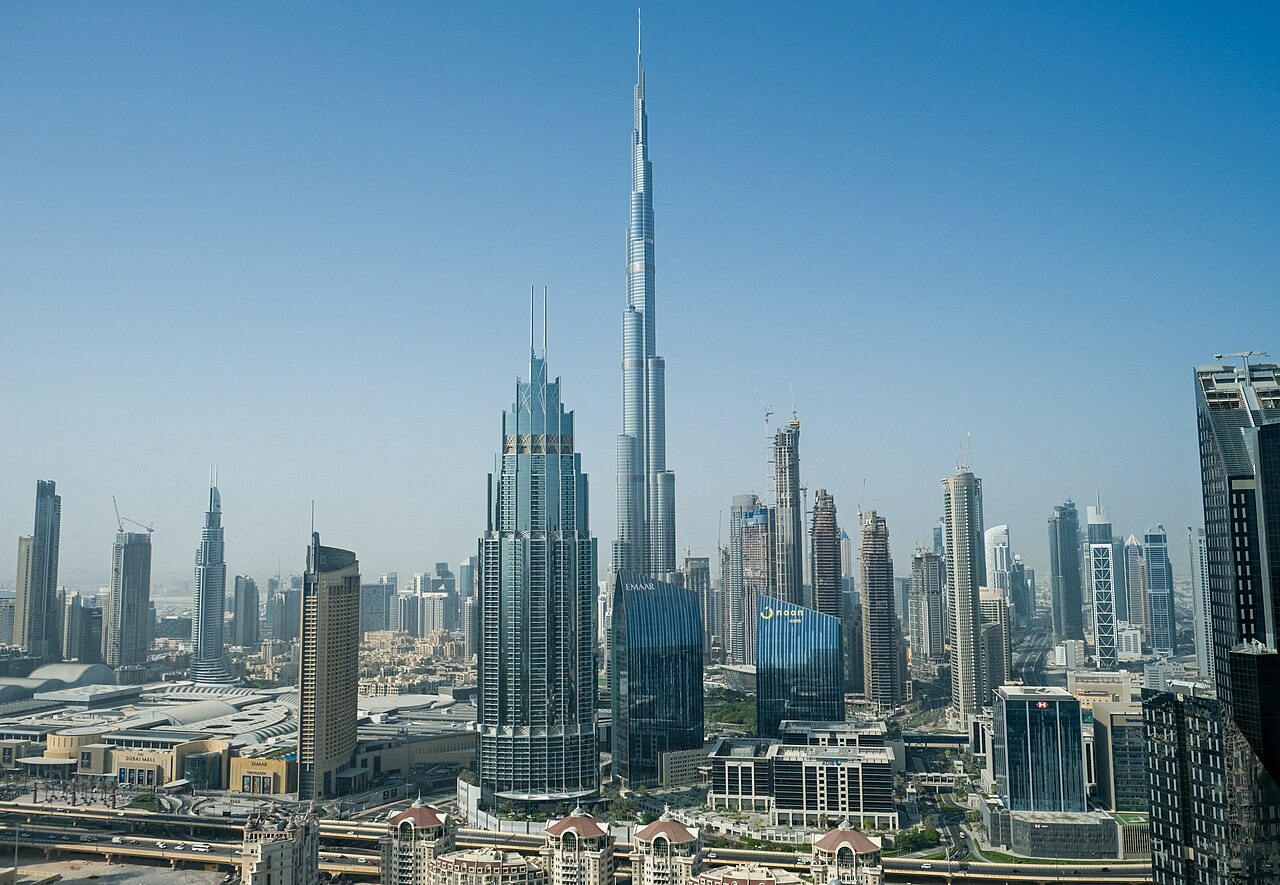
Once seen as an unassailable bastion of stability and luxury in a volatile region, Dubai has recently been thrust onto the front lines of the escalating Middle East conflict. On a Saturday that shattered the serene image of this global metropolis, Iranian rockets and drones struck the United Arab Emirates, igniting fires and scattering debris across its vibrant urban landscapes. The audacious attacks, which targeted critical areas including the iconic Palm Jumeirah, have sent shockwaves across the globe, fundamentally altering perceptions of safety and security in one of the world's most affluent regions. The incident not only highlights the expanding reach of regional tensions but also raises urgent questions about the future of investment, tourism, and daily life in the UAE.
The Unthinkable: Iranian Projectiles Hit the UAE Heartland
The quiet morning calm of Dubai was violently interrupted as a barrage of Iranian projectiles breached UAE airspace. Reports confirmed that Iranian Shahed drones and potentially other rocket systems were deployed, directly targeting infrastructure within the Emirates. The most visually striking impact occurred on the man-made marvel of Palm Jumeirah, where the luxurious Fairmont Hotel sustained a direct hit and subsequently caught fire. Eyewitness accounts and initial reports painted a picture of unexpected chaos, with debris raining down on buildings and emergency services rushing to contain the damage.
This coordinated assault marked a significant escalation, demonstrating Iran's capability and willingness to project power far beyond its borders and into the heart of a rival's territory. The very notion that such a sophisticated, high-profile target could be struck in a nation renowned for its advanced air defense systems underscored the gravity of the situation. While UAE defense authorities quickly announced the interception of a significant number of these incoming threats, the fact that some projectiles successfully impacted civilian areas reveals a critical vulnerability that will undoubtedly prompt a reassessment of regional security strategies. For a more detailed look at the direct impact on luxury hospitality, read our related article: Dubai Under Attack: Iranian Drones Hit Fairmont Hotel on Palm Jumeirah.
Casualties and Chaos: A Glimpse into the Immediate Aftermath
The human cost of these strikes, while thankfully not catastrophic, was immediate and stark. In Dubai, authorities confirmed that four individuals sustained injuries and were transported to nearby hospitals for treatment. Their conditions, while not life-threatening, served as a grim reminder of the tangible dangers brought by geopolitical conflict. More tragically, in the capital city of Abu Dhabi, a civilian lost their life due to falling debris, highlighting the indiscriminate nature of such attacks and the potential for widespread collateral damage even from intercepted munitions.
Amidst the official pronouncements that the fires were brought under control and significant damage avoided, reports from the ground described scenes of confusion and heightened anxiety. Social media channels buzzed with videos and firsthand accounts of explosions, sirens, and emergency crews. For a city accustomed to meticulous order and unparalleled safety, the sudden intrusion of conflict-related chaos was profoundly unsettling for both residents and visitors. The rapid response by emergency services was commendable, yet the incident left an indelible mark on the collective psyche, challenging the long-held belief in the impenetrable shield protecting this vibrant urban oasis.
Dubai's Tarnished Shield: Implications for a Global Hub
Dubai has painstakingly cultivated an image as a global haven – a safe, stable, and luxurious destination for tourism, international business, and expatriate living. This reputation, built over decades, is arguably its most valuable asset. The recent Iranian strikes rocking Dubai, particularly the hit on a luxury hotel, have undeniably tarnished this meticulously crafted shield.
The repercussions extend far beyond physical damage:
- Investor Confidence: Global investors are highly sensitive to political instability. While the UAE has always been perceived as stable, direct attacks introduce an element of risk previously confined to theoretical geopolitical analyses. Long-term investment strategies might be re-evaluated, potentially impacting sectors like real estate, finance, and technology, which thrive on predictable environments.
- Tourism Industry: Dubai's tourism sector is a cornerstone of its economy. The images of fire and chaos, even if quickly contained, could deter potential visitors. Travel advisories, insurance considerations, and general apprehension may lead to a slowdown in bookings, especially from risk-averse markets.
- Expatriate Community: The UAE is home to millions of expatriates who choose the country for its safety, opportunities, and quality of life. Such incidents can trigger concerns about personal security, prompting some to reconsider their long-term stay or future plans in the region.
- Insurance Premiums: The reclassification of risk could lead to higher insurance premiums for businesses and properties, adding to operational costs and potentially making the UAE a less competitive destination.
The challenge for Dubai now is to rebuild not just physically, but also psychologically and perceptually, demonstrating resilience while addressing the underlying security vulnerabilities that these attacks have exposed.
Decoding the Escalation: Iran's Message and Regional Dynamics
The Iranian decision to launch rockets and drones towards the UAE is not an isolated incident but a calculated move within a complex regional chess game. Understanding Iran's motivations is crucial:
- Retaliation and Deterrence: The attacks could be seen as retaliation for perceived UAE involvement in or support for actions against Iran, or as a broader message against increasing normalization efforts between Gulf states and rivals. It also serves as a deterrent, warning against future actions Iran deems hostile.
- Projecting Power: By demonstrating the ability to strike deep into the UAE, Iran sends a clear signal of its reach and technological capabilities, aimed at both regional adversaries and international powers. The use of drones and raketen (missiles) allows for asymmetric warfare, challenging conventional defense systems.
- Internal Messaging: Such actions can also be aimed at bolstering domestic support within Iran, showcasing strength against external pressures.
- Disrupting Stability: Iran benefits from regional instability, as it can be used to advance its own geopolitical agenda and challenge the existing power structures. Targeting a global hub like Dubai maximizes the disruptive impact.
This escalation underscores the precarious balance of power in the Middle East, where a myriad of state and non-state actors are engaged in proxy conflicts and direct confrontations. The UAE, along with other Gulf states, finds itself increasingly caught between regional rivalries and the broader geopolitical struggles involving global powers. The attacks signify a dangerous new phase, where economic prosperity and civilian safety are directly jeopardized by escalating military and political tensions.
Navigating Uncertainty: Security Measures and Forward Outlook
In the wake of these unprecedented attacks, the UAE is undoubtedly reviewing and bolstering its security protocols. While the country already boasts advanced air defense systems, the penetration of some projectiles suggests areas for enhancement. This could include:
- Enhanced Air Defense Capabilities: Investing in even more sophisticated missile and drone detection and interception technologies, including counter-drone systems.
- Intelligence Sharing: Closer collaboration with international partners on intelligence gathering and threat assessment to anticipate and neutralize threats before launch.
- Cybersecurity: Strengthening defenses against cyberattacks that could complement or facilitate physical assaults.
For individuals, businesses, and investors in the UAE, navigating this new era of uncertainty requires a proactive approach:
- Stay Informed: Rely on official government advisories and credible news sources for information. Avoid spreading unverified rumors.
- Emergency Preparedness: Familiarize yourself with local emergency procedures, including shelter-in-place protocols and evacuation routes.
- Risk Assessment: Businesses should review their risk exposure and business continuity plans. This includes assessing supply chain vulnerabilities, staff safety protocols, and insurance coverage.
- Diversification: Investors might consider diversifying their portfolios to mitigate risks associated with regional instability, though Dubai's long-term growth prospects remain strong due to its strategic location and visionary leadership.
- Community Resilience: The spirit of community and resilience among Dubai's diverse population will be crucial in overcoming challenges and rebuilding confidence.
The recent dubai iran raketen and drone attacks represent a stark reminder that even the most secure and prosperous cities are not immune to the complexities of global geopolitics. While the immediate aftermath was contained, the long-term implications for Dubai's image, economy, and security are profound. The incident marks a pivotal moment, demanding not only enhanced defense strategies but also renewed diplomatic efforts to de-escalate regional tensions. Dubai’s inherent resilience and strategic importance suggest it will strive to adapt and overcome, but the path forward will undoubtedly be shaped by the enduring ripples of this seismic shift in regional security.