Dubai's Unprecedented Challenge: When Iranian Projectiles Struck Palm Jumeirah
In a shocking escalation of regional tensions, the serene tranquility of Dubai was shattered when Iranian rockets and drones targeted the United Arab Emirates. This unprecedented event transformed one of the world's most affluent and seemingly impervious metropolises into a focal point of the enduring Middle East conflict. The impact reverberated far beyond the immediate vicinity, sending shockwaves through global markets and challenging Dubai's carefully cultivated image as an unassailable haven of stability and luxury. On a fateful Saturday, the aerial assault brought the harsh realities of geopolitical strife directly to the doorsteps of iconic landmarks, illustrating how rapidly fortunes can shift in a volatile region.
The incident specifically highlighted the vulnerability of even the most fortified urban centers. Reports swiftly confirmed that Iranian drones and rockets were responsible for the strikes. This marked a significant escalation, as attacks from Iran had previously impacted other parts of the Arabian Peninsula, but rarely with such direct and dramatic effect on a global hub like Dubai. The targeting of civilian infrastructure, particularly a luxury hotel, underscored a stark shift in the nature of regional hostilities, prompting widespread concern among residents, investors, and international observers alike. The world watched as a symbol of modern prosperity contended with the immediate aftermath of conflict.
The Unfolding Chaos: A Strike on Dubai's Heart
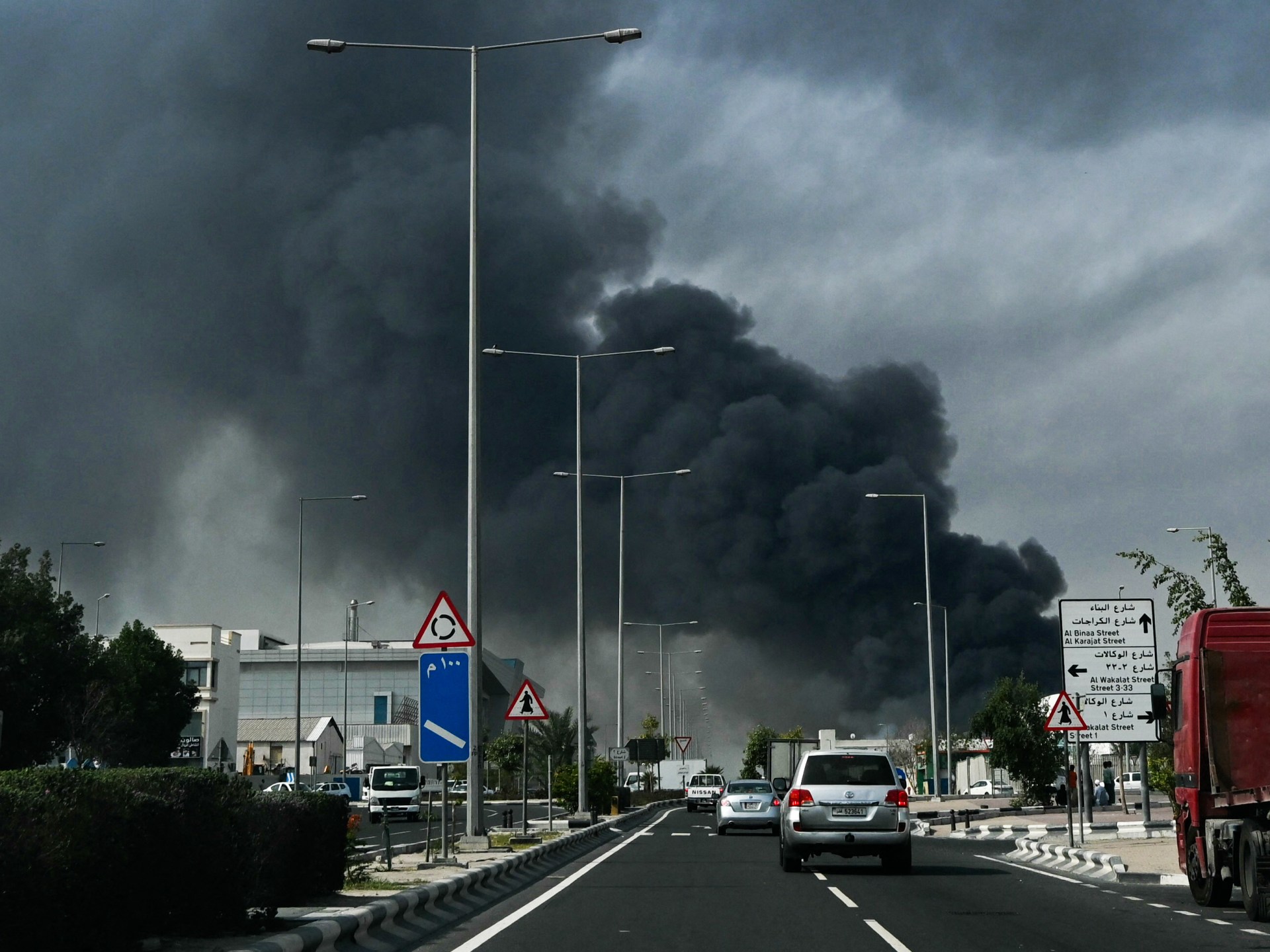
The full gravity of the situation became apparent with reports of multiple explosions across Dubai, followed by debris raining down on various buildings. At the epicenter of this chaos was the prestigious Fairmont Hotel, located on the iconic man-made island of Palm Jumeirah. This luxury establishment, a beacon of Dubai's opulence, reportedly caught fire after a suspected hit by an Iranian Shahed drone. The sight of smoke billowing from one of the Palm's renowned properties was a jarring image, a stark contrast to the usual postcard-perfect scenes associated with the emirate.
Emergency services were swiftly mobilized, battling the blaze and attending to the injured. Authorities in Dubai confirmed that four individuals sustained injuries and were subsequently transported to nearby hospitals for treatment. Thankfully, the fire at the Fairmont Hotel was brought under control relatively quickly, preventing more widespread damage to the structure itself. However, the human cost of the attacks extended beyond Dubai's borders. In a separate but related incident in Abu Dhabi, a civilian tragically lost their life due to falling debris, underscoring the lethal potential of these aerial bombardments. The chaos on the ground, as described by a Bloomberg reporter, painted a vivid picture of a city grappling with an unforeseen crisis, far removed from its usual serene efficiency.
This event fundamentally challenged the perception of Dubai as being entirely insulated from regional strife. While the UAE's sophisticated air defense systems are renowned, the ability of Iranian rockets and drones to penetrate these defenses and cause damage, even if localized, raised critical questions about the effectiveness of existing security protocols against evolving threats. The incident served as a powerful reminder that no region, regardless of its economic prowess or defensive capabilities, is entirely immune to the ripple effects of broader geopolitical conflicts, especially when precision-guided munitions are involved.
UAE's Defense and the Aftermath
In the wake of the attacks, the United Arab Emirates Defense Ministry issued a statement confirming that the nation had successfully intercepted a wave of Iranian rockets and drones. This defensive action, a testament to the UAE's robust military capabilities, undoubtedly prevented far more extensive damage and casualties. Despite the interceptions, remnants and debris from the downed projectiles fell on various areas, including parts of Abu Dhabi and Dubai, leading to the confirmed incidents of injury and the tragic fatality.
The ministry, while acknowledging the intercepts and the resultant debris, simultaneously emphasized that there had been "no significant damage" to infrastructure or widespread disruption. This statement aimed to reassure both the local population and the international community, striving to project an image of control and resilience amidst the turmoil. Such assurances are crucial for a nation that heavily relies on foreign investment and tourism. However, the very fact that such an incident occurred, and resulted in casualties, challenged this narrative to some extent, prompting a deeper look into the nature of modern aerial warfare and defense strategies.
The use of Shahed drones, known for their relatively low cost and operational versatility, alongside more conventional rockets, represents a challenging asymmetric threat. While the UAE possesses advanced anti-missile systems, the sheer volume and varied nature of such attacks can test even the most sophisticated defenses. The rapid response and interception capabilities demonstrated by the UAE underscored their commitment to national security, but the successful penetration by even a limited number of projectiles highlighted the complex and evolving nature of regional conflicts, where the line between conventional warfare and targeted, sporadic assaults continues to blur.
Dubai's Image and Economic Ramifications
For decades, Dubai has meticulously cultivated an image as a stable, secure, and luxurious sanctuary in a often-turbulent Middle East. It has attracted billions in foreign investment, welcomed millions of tourists annually, and become a magnet for international talent. The recent iran raketen and drone attacks, however, pose a significant challenge to this carefully constructed reputation. Such incidents, even if localized in impact, can shake confidence among potential investors and tourists who prioritize safety and stability above all else.
In the short term, there could be a noticeable dip in tourism bookings, particularly from demographics sensitive to security concerns. Businesses might reconsider expansion plans or new investments if they perceive an increased risk profile for the region. The luxury real estate market, a cornerstone of Dubai's economy, could also experience a period of uncertainty as high-net-worth individuals assess the long-term implications for their assets and lifestyle. The immediate aftermath of the attacks saw market reactions and a careful observation of geopolitical developments, as stakeholders weighed the risks against Dubai's inherent advantages.
Looking ahead, Dubai's resilience will be tested. The emirate has historically shown an remarkable ability to adapt and overcome challenges, often emerging stronger. However, addressing the perception of heightened risk will require concerted efforts, including transparent communication, enhanced security measures, and diplomatic initiatives to de-escalate regional tensions. The city's ability to quickly restore confidence will be paramount to mitigating any lasting economic ramifications. This involves not only physical security but also a strong narrative of steadfastness and a clear commitment to protecting its residents and visitors from any future dubai iran raketen threats or drone incursions.
Navigating Future Risks and Regional Stability
The attacks on Dubai serve as a potent reminder of the interconnectedness of regional conflicts and the potential for spillover into previously considered safe zones. The broader Middle East conflict, with its intricate web of state and non-state actors, proxies, and ideological divides, continues to simmer, occasionally boiling over with devastating consequences. These incidents necessitate a thorough reassessment of security strategies, not just for the UAE but for other nations in the region that could potentially find themselves in the crosshairs of evolving aerial threats. The sophistication and reach of modern drones and rockets demand advanced detection, interception, and response capabilities.
For individuals and businesses operating in the region, understanding the geopolitical landscape becomes increasingly critical. While governments work to secure their borders and skies, an awareness of official advisories and emergency protocols is always prudent. The long-term stability of the region hinges on diplomatic efforts to de-escalate tensions and foster channels of communication, even between adversaries. Without a concerted push towards dialogue and conflict resolution, the potential for further, more significant escalations remains a palpable concern, affecting everything from international shipping lanes to global energy prices.
The UAE, in collaboration with international partners, will likely continue to invest heavily in cutting-edge defense technologies and intelligence sharing to safeguard its territories. The challenge lies not just in intercepting incoming threats but also in addressing the root causes that motivate such attacks. This incident underscores that the pursuit of peace and stability in the Middle East is an ongoing, complex endeavor that impacts global security and economic prosperity. As the region grapples with these persistent challenges, the world watches, hoping for a return to calm and a renewed focus on constructive engagement.
Conclusion
The recent dubai iran raketen and drone attacks on the Fairmont Hotel on Palm Jumeirah represent a watershed moment for Dubai and the wider UAE. They underscored the stark reality that even the most modern and prosperous cities are not immune to the far-reaching consequences of regional conflicts. While the swift response of Emirati defense systems minimized casualties and damage, the psychological impact and the challenge to Dubai's image as a global sanctuary are undeniable. The incident calls for a reinforced commitment to security, robust diplomatic engagement, and a continuous reassessment of defense strategies in an increasingly complex threat environment. As Dubai looks to the future, its resilience and ability to adapt will be key to reaffirming its status as a premier destination for business and tourism, even as the shadow of regional instability lingers.